Quick answer
Both are hard natural stones that suit kitchens. Granite offers flecked, speckled looks with excellent value and heat tolerance. Quartzite offers soft, marble-like movement with similar hardness. Both usually benefit from sealing and both need a sample check.
Which is harder, granite or quartzite?
Both rank high on the Mohs scale, roughly 6 to 7, so both resist everyday scratching far better than marble. Neither should be used as a chopping board, because knives dull and can still mark the surface.
Which stains less?
Dark, dense granites such as Absolute Black absorb very little. Light granites and many quartzites can absorb oil or wine if left, so test with a few drops on a sample and apply a good sealer.
Heat
Natural stone tolerates hot pans better than resin-bound surfaces, yet sudden temperature change can crack a slab, especially near cooktops. A trivet is still wise.
Look and feel
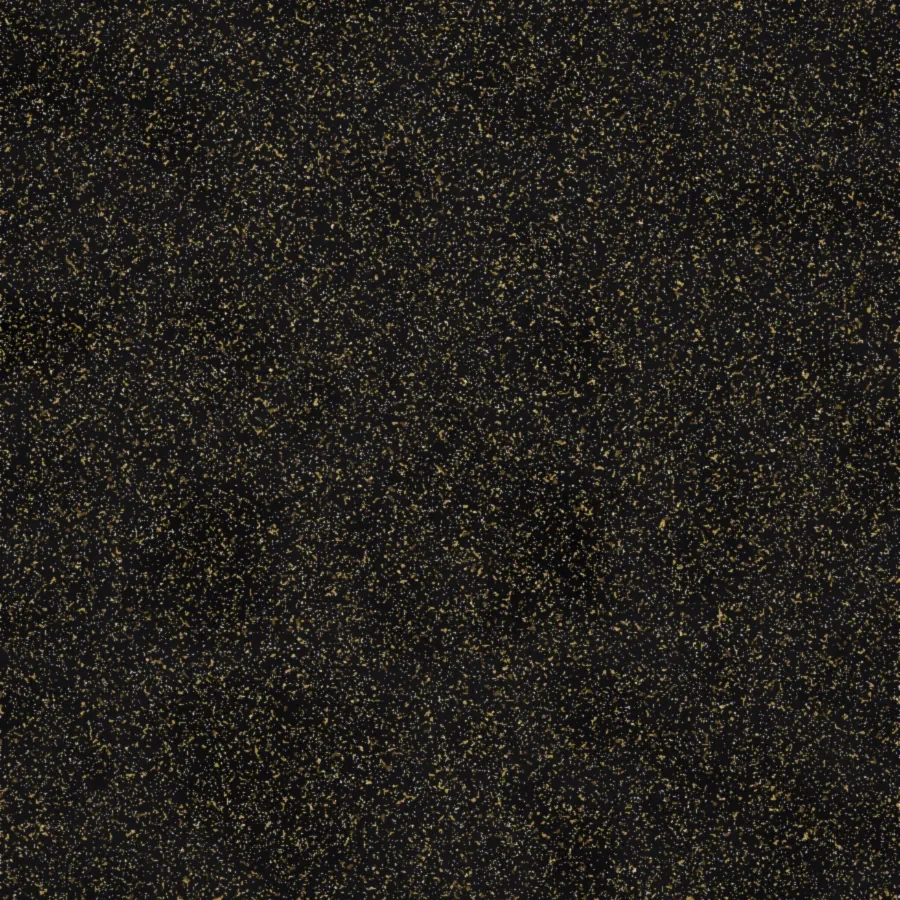
- Granite: grains and flecks, from jet black to red, brown and white.
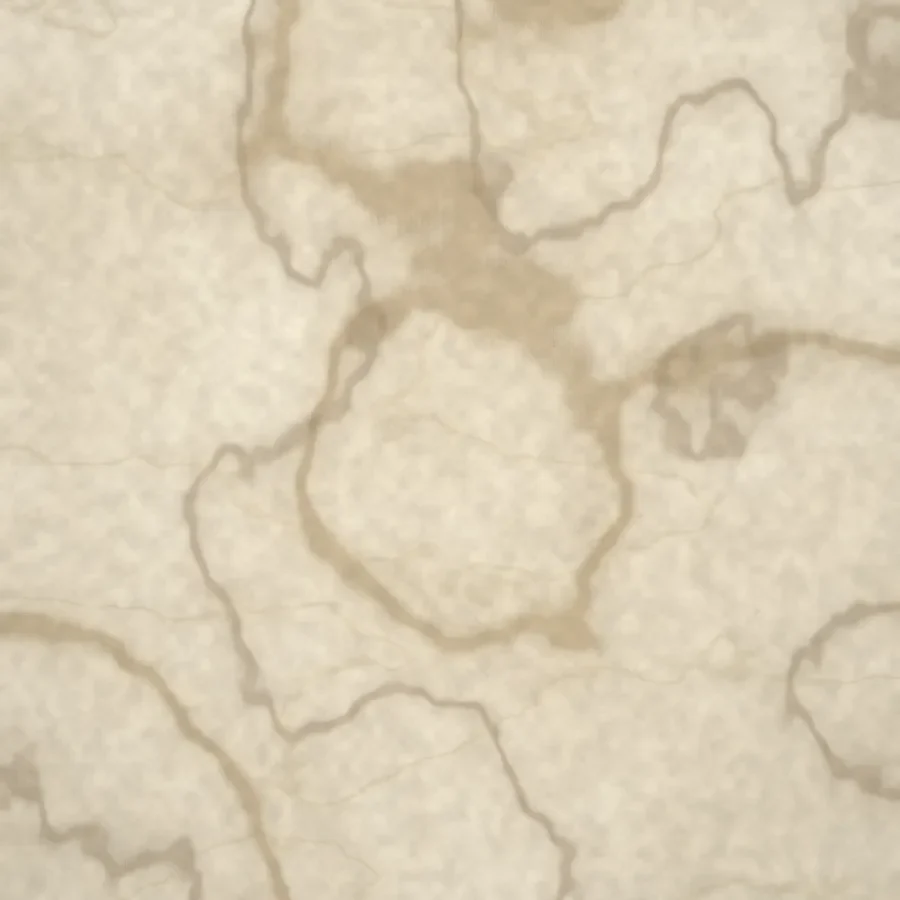
- Quartzite: soft veining and layered tones, often compared to marble.
How to decide
If you want pattern, durability and good value, look at granite such as Tan Brown, Imperial Red or Kashmir White. If you want a marble-like look in a harder stone, view Taj Mahal or Fantasy Brown quartzite.
Frequently asked questions
Does granite need to be sealed?
Many granites benefit from sealing, particularly lighter colours. A simple water-drop test shows whether a slab is absorbing.
Is quartzite more expensive than granite?
It is often priced higher because of its rarity and look, but prices depend on the specific stone, quality and quantity.